
Is a Golf Simulator Franchise the Next Big Opportunity in Recreational Business?
Recreational businesses are evolving. Investors are no longer looking solely at traditional models that depend on seasonal demand, heavy staffing, or unpredictable foot traffic. Instead, there is a growing focus on concepts that combine experiential appeal with operational consistency and recurring revenue.
One category gaining attention is the golf simulator franchise. By blending technology, entertainment, and membership-based access, these businesses are reshaping how golf is played and how revenue is generated. What was once considered a niche concept has quickly developed into a scalable and increasingly attractive franchise opportunity across North America.
The Golf Simulator Franchise Model
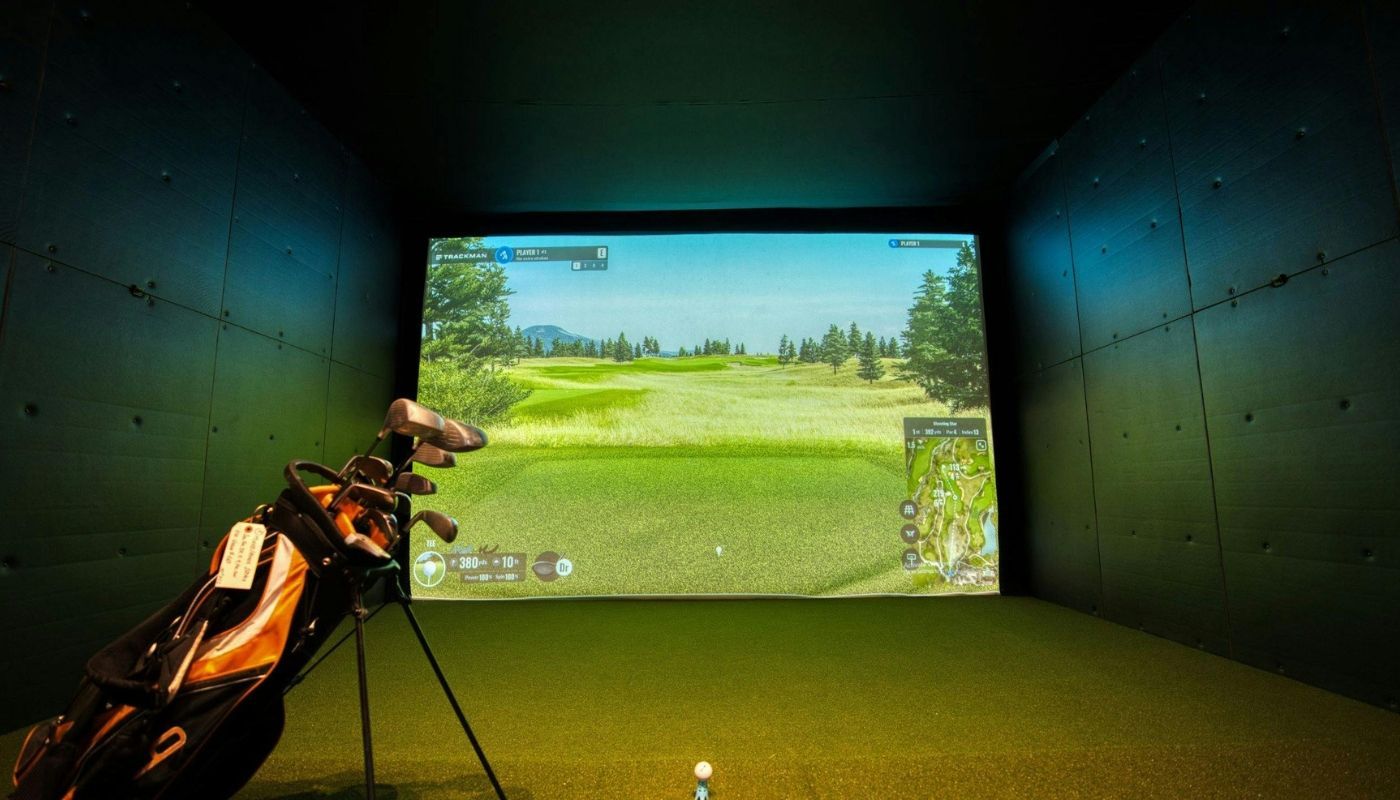
At its core, a golf simulator franchise is an indoor facility equipped with advanced simulation technology that allows users to play or practice golf in a controlled environment. These facilities typically feature multiple simulator bays, lounge-style seating, and a layout designed for both individual use and group experiences.

Compared to traditional golf courses, the model is significantly less dependent on weather, land availability, and maintenance costs. At the same time, it offers more depth and repeat engagement than many general entertainment businesses, since users are not only socializing but also improving a skill over time.
Several brands have emerged in this space, each offering variations in experience, pricing, and operational structure. While the brands differ, the underlying business model remains largely consistent.
Recurring Revenue From a Golf Simulator Franchise
One of the most compelling aspects of a golf simulator franchise is its ability to generate recurring revenue. Many concepts are built around monthly memberships that provide users with access to simulator time, leagues, or other perks.
This structure creates a level of predictability that is often missing in traditional entertainment or hospitality businesses. Instead of relying solely on daily transactions, operators benefit from a base of committed members who generate consistent income each month.
Recurring revenue also reduces the pressure on constant customer acquisition. While marketing and new customer flow remain important, the business is not entirely dependent on filling each time slot with new visitors. From an investment perspective, this type of revenue model supports more stable forecasting, improved cash flow management, and potentially stronger long-term performance.
Layered Revenue Streams That Support Margin Stability
In addition to memberships, most golf simulator franchises generate revenue through multiple complementary channels. These typically include corporate events and private bookings, league play and organized competitions, introductory events designed to convert new users into members, and optional food, beverage, or retail offerings depending on the concept.
Each of these revenue streams serves a distinct purpose. Corporate events often deliver higher-margin bookings during off-peak hours, while leagues create recurring usage and strengthen community engagement.
This diversification helps reduce reliance on any single source of income. It also allows operators to optimize scheduling and maximize facility utilization throughout the week.
Operational Simplicity and Ownership Flexibility
Compared to many other franchise categories, the golf simulator model is relatively streamlined. Facilities typically require smaller teams, and the technology-driven nature of the experience reduces the need for highly specialized labor.

Franchise systems often provide standardized processes, training, and centralized support, which can simplify day-to-day operations. This allows many locations to be managed by a general manager, allowing owners to focus on oversight rather than direct involvement.
This flexibility makes the model appealing to a range of investors. Some may choose to be actively involved, while others may treat the business as a semi-absentee business with limited day-to-day responsibilities.
Real Estate Flexibility and Market Expansion Potential
Another advantage of this category is its adaptability from a real estate perspective. Golf simulator facilities can operate in a variety of locations, including urban retail spaces with high foot traffic, suburban shopping centers with strong local demographics, secondary and tertiary markets where entertainment options may be limited.
The footprint is typically smaller and more flexible than traditional entertainment venues or outdoor golf facilities. This allows for more efficient site selection and, in some cases, lower build-out costs.
For investors interested in multi-unit ownership, the model also lends itself to regional expansion. Once operational systems are in place, additional locations can be added with greater efficiency.
The Customer Base and Demand Drivers of a Golf Simulator Franchise
The success of a golf simulator franchise is closely tied to its ability to attract and retain a diverse customer base. Core user groups generally include dedicated golfers looking to practice consistently, corporate teams seeking structured group experiences, social players interested in a casual, interactive activity, and new golfers who prefer a more accessible entry point into the sport.
What sets this model apart is the frequency of use. Customers are not limited to one-time visits. Instead, they are encouraged to return regularly through memberships, leagues, and skill development. This repeat engagement plays a significant role in overall revenue performance and long-term business stability.
Key Considerations Before Investing in a Golf Simulator Franchise
While the category offers strong potential, there are several factors investors should evaluate before moving forward:
- Total investment and build-out requirements
- Quality and reliability of simulator technology
- Demographics and demand within the target market
- Strength of the franchise’s support systems and training
- Competitive landscape and local market saturation
Some concepts may also explore additional features, such as integrating a portable golf simulator component for events or off-site experiences. While not central to every model, these variations can influence both revenue potential and operational complexity.
Careful due diligence is essential. As with any franchise investment, long-term success depends on selecting the right concept, location, and operating strategy.
Evaluate the Right Franchise Opportunity With Hundred Acre Consulting
Choosing the right franchise is rarely a simple decision. As new categories like the golf simulator franchise continue to emerge, investors are often faced with both opportunity and uncertainty. Knowing how these models operate, what drives their performance, and how they fit into your broader goals is an important first step in making a confident decision.
There are many paths to finding the right franchise, especially in a landscape that is evolving as quickly as this one. Whether you are exploring this category or comparing it to other investment options, having a clear framework for evaluation can make the process far more effective. Working with an experienced franchise consultant can help you navigate the options, assess opportunities objectively, and align your investment with your long-term strategy.
At Hundred Acre Consulting, we work closely with prospective franchisees to identify opportunities that match their goals, risk tolerance, and desired level of involvement. If you are interested in learning more about the franchises we work with and the services we offer, book a consultation today and take the next step toward franchise ownership.